Connective tissues: The body's vital framework
Explore the essential roles of connective tissues in our musculoskeletal system. From cushioning joints to linking muscles and bones, these crucial components ensure our body's stability and movement. Discover their diverse forms and functions.

Understanding connective tissues
Connective tissues are the unsung heroes of our bodies, providing support, connecting different structures, and helping us move. They are incredibly diverse, performing various functions from protecting organs to storing fat. Think of them as the body's internal scaffolding, holding everything in place and allowing for flexibility and strength.

The crucial role of cartilage
Cartilage is a flexible connective tissue found in many parts of the body, including joints, the ear, and the nose. Its primary role is to provide support and reduce friction between bones. There are three main types of cartilage, each with unique properties. Hyaline cartilage is the most common, found in the nose, trachea, and at the ends of bones in joints, where it provides a smooth, low-friction surface. Elastic cartilage is more flexible, present in the outer ear and epiglottis, allowing for shape retention with elasticity. Fibrocartilage is the strongest type, found in intervertebral discs and the menisci of the knee, offering great tensile strength and shock absorption.
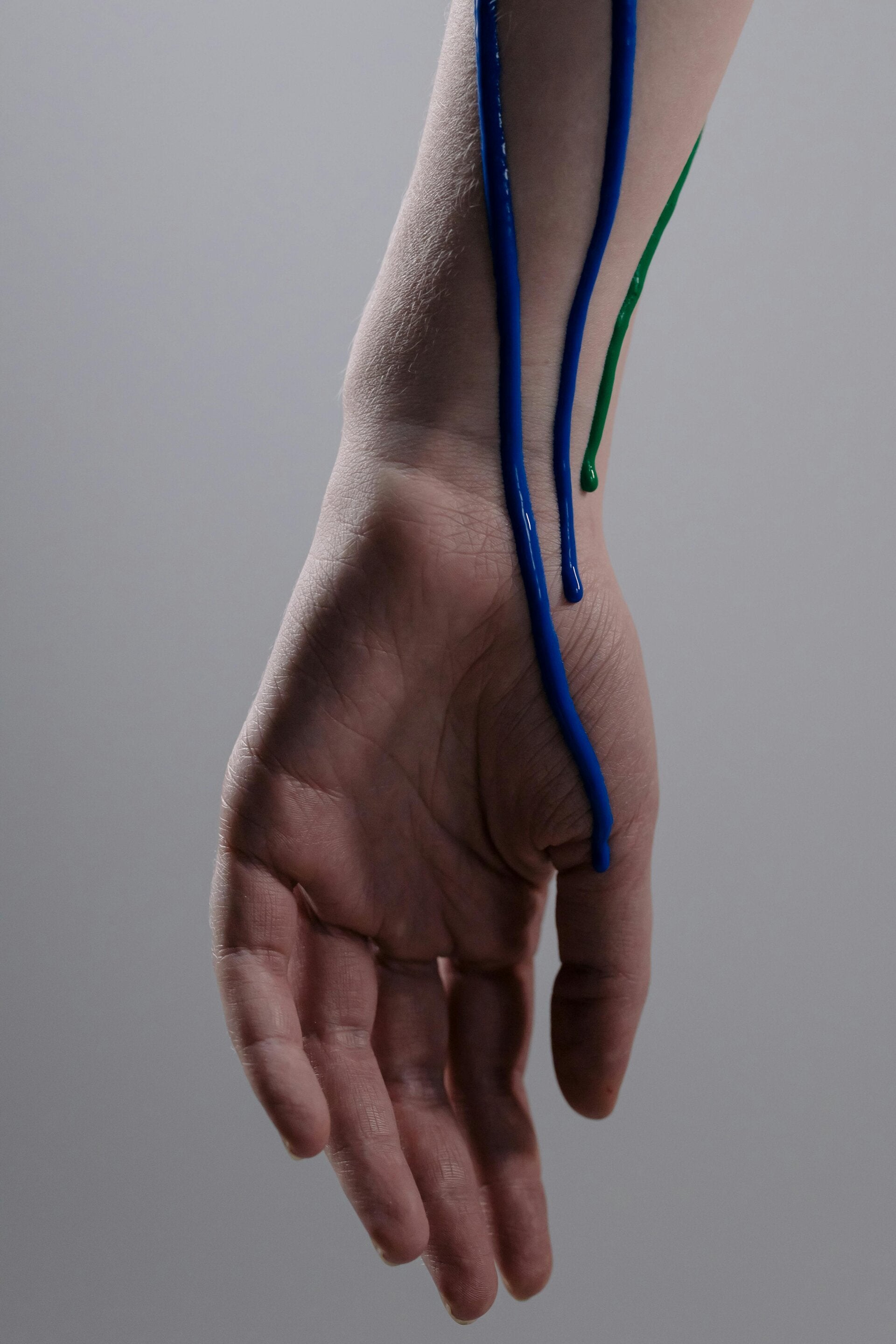
Tendons and ligaments: The body's connectors
Beyond cartilage, two other vital connective tissues are tendons and ligaments. Tendons are strong, fibrous cords that connect muscles to bones. They are essential for movement, transmitting the force generated by muscle contractions to the bones, allowing us to walk, run, and lift. A common example is the Achilles tendon, connecting the calf muscles to the heel bone. In contrast, ligaments are tough, elastic bands of tissue that connect bones to other bones, primarily found in joints. They provide stability to joints, preventing excessive or unwanted movement. For instance, the anterior cruciate ligament (ACL) in the knee is crucial for knee stability.
Create Your Own Website With Webador